Anúncio

Discografia / Discografia dos Anos 70 - Página 68

Aqui listamos as melhoras Discografia de 1970 a 1979

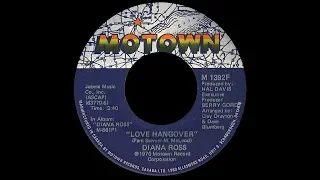
Diana Ross ~ Love Hangover 1976 Disco Purrfection Version 08:16
Diana Ross ~ Love Hangover 1976 Disco Purrfection Version
By the time Diana Ross recorded her "Diana Ross" LP of 1976, she was already a superstar. The label pushed her softer side, abandoning the dance tunes she so artfully vocalized for songs like "Reach Out & Touch (Somebody's Hand)", "Touch Me In The Morning" and "Do You Know Where You're Going To" Theme From Mahagony. Motown was NOT into disco and Diana was suprised to find that "Love Hangover" was going to be added to that LP. It was such a change of pace for her that she initially bucked at recording the disco song as she was not comfortable with the upbeat arrangement. As a result, the song was not considered for single release until the DJ's started spinning it in their clubs and the regrouped Fifth Dimension took notice of the buzz. They quickly recorded their own version and as it was being readied for release, Motown caught wind of the buzz and rush released the overlooked song and positively stomped the Fifth Dimension version into oblivion. The recording session was difficult and the producer plied Diana with vodka. He had also set up the studio with flashing lights to create an atmosphere to start up once the song transtioned from the slow sultry intro into the disco part we all know and love. She stopped the session right there saying "I cannot do that!", probably because she was not used to the lively arrangement. A few sips of vodka later and the woman, in a creative stream of consciousness completed her vocals, throwing in all kinds of ad libs topping it off with her sexy laugh before cooing the chorus. The arrangement of the song was based on the guitar and bass interplay that drove the energy into the stratosphere. The same type of arrangment was applied to Thelma Houston's incendiary #1 hit "Don't Leave Me This Way" the following year and those two single ensured the long term success of Motown in the disco era. The follow up LP's contained nothing of that style and it left us thirsty for more.
0 0   153   12-05-2021   Discografia dos Anos 70   0
Santana ~ Black Magic Woman/Gypsy Queen 1970 Extended Meow Mix 10:50
Santana ~ Black Magic Woman/Gypsy Queen 1970 Extended Meow Mix
Carlos Santana holds the distinction of waiting 30 years from the chart debut of his first single "Jingo" 1969 to 1999 when he got his first #1 single "Smooth", making him the MOST patient man on earth! Remember when the rest of the world caught on to him and his LP Supernatural? I was thrilled to hear he was back and man did not disappoint and it all started with their electrifying performance at the original Woodstock in 1969. His talent has always been apparent to me even when I was 10. It just transfixed me like Pink Floyd did later on, the guitar work on both were the best I had ever heard up to then. My neighbors were teenagers and they were rockin' to classic rock back when it was just rock. They played Santana's break though album, "Abraxas" with its daringly sexy artwork and even sexier music underlined by the latin rhythms of three songs from that album "Evil Ways"(#9)"Black Magic Woman" (#4) and "Oye Como Va" (#13) that were released in 1970 and set the rock world on fire driving the "Abraxas" album right to the #1 on the album heap. He was born on July 20, 1947 in Autlan de Navarro, Mexico into a musical family, his father was a mariachi musician who encouraged his son to learn how to play violin at 6, then guitar when he was 8. Hell, I was collecting Matchbox cars from the hardware store down the road when I was 8, and oh yeah earplugged into my AM transistor pocket radio. While in high school he formed the Santana Blues Band, who became just Santana when they signed to Columbia Records. They also did Woodstock, then stayed with Columbia until they signed with Polydor Records in 1992. He by then had amassed ten Top 40 singles roughly one a year from 1970 to 1982 that proved he had a loyal audience. He went from Latin to pop without losing his identity or integrity by keeping the Latin influences alive in his songs. His contract with Columbia was up for renewal and Santana chose move on to Polydor Records. Then he was off the charts until 1999 when Clive Davis agreed to sign Santana to a contract and the man treated his new client with the respect he deserves and helped to make him a superstar. But then, some of us older kittens remember him from his fiery rendition of "Black Magic Woman", a song written by ex-Fleetwood Mac founder guitarist Peter Green. Fleetwood Mac was at the time a blues band and they had the chops! Their version of "Black Magic Woman" came out in 1968. The beat reminds me of the best UK pop rock like The Zombies "She's Not There" and "Albatross" remains a summer favorite of mine. I decided to go with ending the song with the upbeat Gypsy Queen for one extra great guitar solo to finish it. I thought about Sade's "Smooth Operator/Red Eye" 12" and how it did the same. That might be on the remix list now that I think of it..
0 0   154   12-05-2021   Discografia dos Anos 70   0
Michael Jackson ~ Rock With You 1979 Disco Purrfection Version 08:22
Michael Jackson ~ Rock With You 1979 Disco Purrfection Version
Late in 1979, there was a subtle shift in the clubs toward music that was a little slower but very funky and danceable. For example, who remembers Rufus & Chaka "Do You Love What You Feel", or Shalamar's "The Second Time Around" or Kool & The Gang's "Ladies Night"? Michael Jackson burst on to the scene with "Don't Stop Til You Get Enough" with its surprisingly tension ridden spoken intro over a sparse rhythm track and a bassline that snaked its way into your psyche. It went straight to #1 pop and R&B, but stalled at #2 on the disco chart. The double A sided disco release had "Rock With You" paired with it, and while "Rock With You" repeated the feat of topping the pop and R&B charts, still was not able to reach the peak of the disco charts. Oh well, both of those songs are club classics now. I've been searching for a different remix of "Rock With You" that was true to the original version, but had more breaks so that I could do the version I had in my head. After some fast and furious footwork, I got my copy of the Japanese pressing timing out at 5:17 that is the basis for this new version. I have edited out the count in and the outro which was studio chatter to come up with my specially extended version. "Rock With You" cemented Michael's reputation as a bona fide superstar by spending four weeks at #1 pop and six weeks R&B. Quincy Jones related to the BBC that he was not that interested in working with Jackson, as he felt that Michael was too bubblegummy. Jones accepted Jackson's request to produce "Off The Wall" and he set about "bringing him out of adolescence" by having Michael sing in a lower register and selecting songs that would showcase the new Michael. Micheal went on tour with his brothers for the "Destiny" tour and Jones approached Rod Temperton to tap him for some new songs for Michael. The music tracks got laid down without Michael's knowledge. After the tour ended, Micheal listened to the new tracks and decided that it was exactly what he wanted. Temperton was new to Michael at that time and Michael stated that "Rock With You" was written with "a more relentless get down arrangement in mind" and that Quincy "softened the attack and slipped in the synthesizer track that sounded like the inside of conch shell". Listening to it today, the flute sound kinda reminds me of the pattern used in Van McCoy's "The Hustle"... Quincy Jones was so hot at the time that "Do You Love What You Feel" by Rufus was the last R&B #1 of the 70's and Jackson's "Rock With You" was the first R&B of the 80's arresting the peak of the R&B chart for a total of nine consecutive weeks.
0 0   303   12-05-2021   Discografia dos Anos 70   0
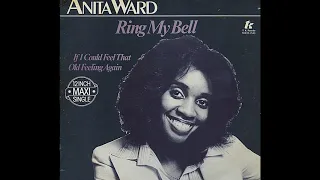
Anita Ward ~ Ring My Bell 1979 Disco Purrfection Version 08:57
Anita Ward ~ Ring My Bell 1979 Disco Purrfection Version
Disco was populated with a raft of dazzling one hit wonders, some were so splendiferous that they reached the pinnacle of the pop charts world wide and Anita Ward did just that. She was born in Memphis, Tennessee on December 20, 1956 and sang gospel for her church choir. Manager Chuck Holmes signed her as a client and first recorded her with the Rust College A Capella Choir that once backed legend Leontyne Price and then again as part of gospel quartet. She was also a substitute elementary teacher and left that behind when Frederick Knight got her signed to Juana Records, part of the TK Records family. The contract specified that three songs would be recorded, but Knight decided to record a full album with her. "Ring My Bell" was the last song recorded for her album but had been written a few years before by Knight. He wanted then teen singing sensation Stacy Lattisaw to record if she signed with Frederick's company, but she went with Cotillion, so the song went on the shelf. At the time the lyrics were "about a teenybopper type of song, about kids talking on the telephone" until Knight realized he needed one more song for Anita, then took it down, dusted it off and put new lyrics to the song that turned it into the suggestively sexy tune perfect for a woman to sing. It was recorded in two days with Knight playing all the percussion instruments adding in the synthesized drum sound of "boo" at the end to sweeten it up, making it one hit songs of the first to use it. That is Knight on background vocals with Valerie Williams and Cheryl Bundy who also did the same for Fern Kinney's "Groove Me". She was a true one hit wonder in the UK where she never placed another single. In the US, the definition of a one hit wonder includes the high charting hit and provided that the follow up song does not reach the Top 40. That is exactly what happened when "Don't Drop My Love" peaked at #87 on the Hot100 in December. Anita feels that her vocals were pitched way too high for that one and if they had been in a lower register that the song would have been more popular. On the charts, disco was in full control as the next #1 pop single was Donna Summer's "Bad Girls" that spent five weeks at #1 and was displaced by Chic's "Good Times" for the week ending August 18, 1979. The next #1 was The Knack's "My Sharona" that symbolically signalled the end of the disco juggernaut with the new wavish power pop tune spending six weeks at the top. Only two more disco songs topped the chart after that, "No More Tears" with Donna Summer and Barbra Streisand, then finally Lipps, Inc with "Funkytown". Gloria Gaynor says "that disco changed it's name to protect the innocent." In reality, disco never left, the old songs keep getting played in clubs and on this channel to help keep the history alive. I got to messing around with the beat and that synthesized drum to help set this version apart from the original, and then added tubular bells to the mix to make it funkier. This one took four years to complete, I hope that y'all like it.
0 0   152   12-05-2021   Discografia dos Anos 70   0
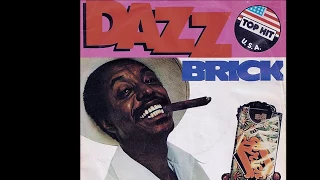
Brick ~ Dazz 1976 Disco Purrfection Version 07:31
Brick ~ Dazz 1976 Disco Purrfection Version
Now streaming on Apple Music https://itunes.apple.com/us/album/dazz-djdiscocat-unofficial-remix-brick-single/1370074235?ls=1 Musician friends Eddie Irons and Jimmy Brown joined Morris Brown College graduates Roy Ransome, Reggie Hargis and Donald Nevins to create one of R&B's favorite songs, "Dazz". The graduates had been with another band, Hellaphanalia just prior to organizing the group that was to become Brick. One afternoon it hit Hargis that Brick would be a good name for the funk band. Why Brick? Eddie Irons still lived with his parents who were installing a swimming pool when Hargis saw the bricks being used for the pool patio and realized that a space age name was too commonplace, that he wanted something solid and original to represent the band and Brick it was. They met every Wednesday to jam at the Southside Sound studio, and came up with several elements that evolved into the seriously funky disco jazz or "Dazz" for short. Jimmy Brown is responsible for the fiery flute and saxophone sounds that drives the song over the top to turn it into R&B gold, topping that survey for four weeks beginning November 27, 1976. The best pop music fuses genres successfully, here its obvious the disco jazz flavored funk tune has done this in spades. I have wanted to do this one for years, and finally got inspired today...damn, this seemed to be everywhere in the winter of 1976-1977. It was still playing on ghetto blasters around Detroit until the following spring ad summer. This one plays really well LOUD!
0 0   207   12-05-2021   Discografia dos Anos 70   0
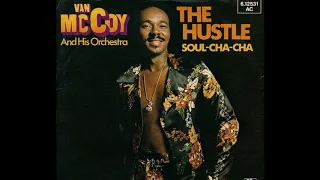
Van McCoy & The Soul City Symphony ~ The Hustle 1975 Disco Purrfection Version 07:31
Van McCoy & The Soul City Symphony ~ The Hustle 1975 Disco Purrfection Version
I will always remember this song as being the theme of the Bob-Lo Island Amusement Park, a place where I won four tickets from CKLW. The unique thing about Bob-Lo was that the only way to get there was by a steamboat with the big paddle at the back. "The Hustle" was everywhere, there were even a group of disco dancers who did the box dance when it came on the steamboat's sound system. It was the first of many times the family would pack up to spend the day there. You could even get a table and a grill! Years later a biker friend of mine mentioned that Bob-Lo was a big transfer point for marijuana. He explained that you bring a big cooler full of pot to the island and then take the other ferry that went to Amherst, Ontario. I remember there were a lot of hippies (long hair, leather, headbands etc) on board. Good times! We went back one more time in August before school started. I had just finished Walter Murphy's "A Fifth Of Beethoven" and feeling inspired, I again tried "The Hustle" and this time it seems to have clicked. Reaching back to find songs I haven't remixed yet like this is giving me the strength to move ahead and now with the political landscape changes, I feel hopeful again like I did when I was 15. Van was born January 6, 1944 in Washington D.C. where at the age of four his mother enrolled him to learn piano. Soon he was jamming with his brother Norman who played the violin. He began to write songs at the age of 12, but gave in to peer pressure and gave up his dreams of a musical career until he took up psychology at Howard University. He began to sing with a local group called the Starlighters, left them and moved on to the Heartbeats where he learned recording and then moved to Philadelphia. He founded the Rockin' Records label with his uncle and released "Hey Mr DJ" which got picked up by Florence Greenberg's Scepter Records. He was then promoted to A&R and wrote "Stop The Music" for the Shirelles then worked for Lieber and Stoller as a staff writer composing songs for the likes of Gladys Knight & The Pips, Barbara Lewis and Ruby & The Romantics. Aretha Franklin, Brenda & The Tabulations, Nancy Wilson and Tom Jones. In 1970 he wrote and produced "5-10-15-20 (25-30 Years Of Love)" for the Presidents a #11 pop hit. That led to his association with Hugo & Luigi of Avco Records. While working on his second LP "Disco Baby" he geared the songs for club play since that was the best way to introduce new music that the club DJ's would embrace. He realized that the DJ's were now influencing the all important radio play. He was just about finished with the album when the DJ David Todd at the Adam's Apple in New York City wanted to introduce him to the latest dance craze, The Hustle. McCoy was interested, but with no time to visit the club, he sent his business partner Charles Kipps Jr in his place. Kipps was so enamored of the sound and the dance moves that he went to the studio to show Van what was going on. McCoy realized that the Hustle dance re-introduced hand holding moves that were reminiscent of ballroom dancing, two people moving in sync with each other instead of the frantic one person dancing alone with another. McCoy already had drummers Steve Gadd and Rick Marotta, Eric Gale and on John Tropea on guitars, Richard Tee on piano, with a horn and string section conducted by legend Gene Orloff. During the recording of "The Hustle", co-producer Hugo suggested that a piccolo be used instead of the guitar Van was using. Phil Bodner stepped in and played the instrumental motif that was the icing on the cake. Released April 19, 1975 it entered the chart at #95 it peaked at #1 on the Hot100 July 26, 1975, #1 on the R&B chart July 12, and then #3 on the disco chart. It was to be his only Top 40 hit, but he won the Grammy for Best Pop Instrumental. McCoy then produced David Ruffin (Walk Away From Love) and worked with his protegés Faith, Hope & Charity. Almost four years later, McCoy passed away at the age of 35 from a heart attack. It was a shock to find out about his death at such an early age. He did leave us with this joyous song to remember him by.
0 0   150   12-05-2021   Discografia dos Anos 70   0
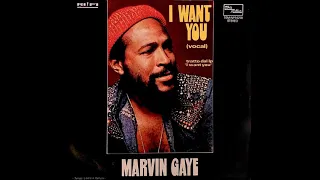
Marvin Gaye ~ I Want You 1976 Soul Purrfection Version 10:06
Marvin Gaye ~ I Want You 1976 Soul Purrfection Version
The quiet beauty of this Marvin Gaye make out song made this my summer jam in 1976. The background vocals were so damn hypnotizing and sexy, I really relaxed every time I heard this one on the way to my summer job at Great Scott! supermarket in Dearborn, MI. Perfect way to start the work day, dontcha think? Marvin was on a career high after the release of his protest album known as "What's Going On" with the hits "What's Going On", "Mercy Mercy Me (The Ecology)" and "Inner City Blues" made him a force to reckon with in 1971. His next LP firmly established him as the high priest of love, "Let's Get It On" and the title track hit number one on many charts, one week atop the Hot100 but six weeks at #1 R&B. That LP became his most sexually charged release yet. A few Diana Ross duets later, a live version of "Distant Lover" went top 30 and then he set about working on "I Want You". Enter Leon Ware, who lent his considerable talents to Marvin and helped him re-establish his lover man persona by co-writing and producing the songs on "I Want You". Ware had been produced by Berry Gordy in the early days of Motown and kept in touch with him. In 1972, Ware was working writing some songs when he met Diana Ross's brother, Arthur who was better known as T-Boy Ross. Ware has already written "I Want You" with some input from T-Boy and he gave him a "taste" by sharing the writing credits with him, meaning the duo would receive royalties each time the song was played. Gordy walked into the recording session, heard the song and "fell in love with it." Next thing Ware knew, Gaye became interested in the song and proposed that he and Ware work together on the "I Want You" LP, Ware brought all the instrumental tracks he had recorded for his own album, and the duo set about making a Marvin Gaye album. Using the same arrangement, they recorded the song with James Gadson on drums, two bass players Chuck Rainey and Wilton Felder, and guitarists Dennis Coffey (Scorpio), Ray Parker Jr (Ghostbusters) and Melvin "wah Wah" Ragin. Filling out the studio band were three keyboardists Sonny Burke, Jerry Peters and John Barnes, percussionists Bobbye Jean Hall and Eddie "Bongo" Brown with horn and string arrangements by Coleridge Taylor Perkinson. Gaye and Ware re-wrote all the lyrics to suit the stellar productions Ware brought with him and the album hit the stores April 1, 1976 a day before his birthday. Critics were initially nonplussed, but were eventually won over and it became his most controversial and influential work to date. With a definite nod to the up and coming disco trend with out giving totally into it, "I Want You" was an across the board smash. It has been covered by Stanley Turrentine, Robert Palmer, Diana Ross and Madonna. Even the Pet Shop Boys interpolated the lyrics of "I Want You" in "Between Two Islands" in 2002.
0 0   172   12-05-2021   Discografia dos Anos 70   0
Chic ~ Dance Dance Dance (Yowsah Yowsah Yowsah) 1977 Disco Purrfection Version 13:03
Chic ~ Dance Dance Dance (Yowsah Yowsah Yowsah) 1977 Disco Purrfection Version
Nile Rodgers relates that when "Dance Dance Dance (Yowsah Yowsah Yowsah)" was played at Billboard's 1977 Disco Convention the bass was so prominent that it was "blowing speakers". Of that, I have no doubt as most DJ's at the time were boosting the bass to gut shaking levels out of songs like "Fly Robin Fly" and other songs where the bass was not really optimized. Then along comes this ready for the dance floor stomper with the bass perfectly produced without removing the sub-bass, along with the drums of the gods played by Tony Thompson that needed no embellishing. Chic was gunning for a production deal with Ashford & Simpson who had established a booming, live rhythm track on songs like Chaka Khan's "I'm Every Woman", Diana Ross's "The Boss" and then their own "Found A Cure". Thompson provided a solid back beat with his explosive drumming techniques and seasoned it with lots of snare that got filled out by Bernard Edwards supple basslines and Nile Rodgers incessantly catchy guitar scratching. The pair first met in 1970, just out of high school and played jazz clubs and beer dives in NYC. In 1972 they met drummer Tony Thompson to create a Roxy Music type art rock band and dubbed themselves The Big Apple Band. Did you know that Rodgers was once a guitarist with the "Sesame Street" touring band? Around the same time, he worked with Edwards in a black rock band (a la Living Colour who followed in those footsteps) called Allah & The Knife Wielding Punks. However the female voices in a rock band did not seem to work within the inherently macho world of rock and roll. Rodgers relates that when disco appeared on the scene it was "like a gift from heaven, because disco was not about being black, white, male or female". Shopping themselves around, they were refused by every label they approached, and were even turned down TWICE by Atlantic Records, who eventually signed them. When "Dance" was recorded, the pair took the song to a DJ at The Night Owl in NYC who was already playing a couple of their songs. Once the pair saw the dance floor reaction, they decided to form a band and looked for a concept to wrap it in. Looking out at the dance floor, they saw the fine ladies and dapper gentlemen all dressed up in suits and cocktail dresses, very upscale, all boogieing down and realized that they had found it. The name was little harder, and they looked around to something elemental and simple like KISS, a band that they both idolized. After a few names got tossed around, the name Chic stood out. KISS had two repeated letters, so did Chic. Roxy, Chic and KISS all had four letters, it was almost as fate had decided the name for them. The concept of Chic evoked an upscale sophistication with a French sensibility that served them well. The liberal use of the "Yowsah Yowsah Yowsah" chant in "Dance Dance Dance" hearkened back to the dance marathons of the the 1930's via Gig Young's performance in the 1969 film "They Shoot Horses, Don't They". When I first heard this song, that is exactly where I remembered the chant from. Music is all about concept, cultural references and a turn of a phrase to create an earworm that enters your consciousness with something vaguely familiar, but totally new sounding. "Dance" made stars of Chic, but the original vocalist Norma Jean Wright left after that recording, Alfa Anderson and Luci Martin were brought on board to fill out the band. The song first peaked at #1 for eight weeks in October of 1977 then it went #6 on the Hot 100 and the R&B surveys. Vince Aletti notes that for his September 24, 1977 report on the NYC clubs that the original release was on Buddah, then part of Arista Records and that DJ only promo versions were to be available that week. In his October 8 column, he relates that Buddah and Atlantic Records both claimed to have purchased the rights to the song and both were rush releasing the song on their respective labels. Both labels were credited a a source of the song, but by October 29th, only Atlantic's release was being noted.
0 0   131   12-05-2021   Discografia dos Anos 70   0
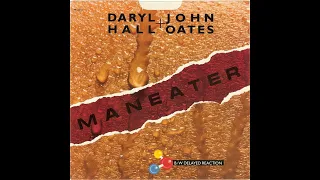
Daryl Hall + John Oates ~ Maneater 1982 Purrfection Version 09:23
Daryl Hall + John Oates ~ Maneater 1982 Purrfection Version
Now on Apple Music https://itunes.apple.com/us/album/maneater-djdiscocat-unofficial-remix-daryl-hall-john/id1282207586?ls=1 A big thanks for Anthony Hodges who requested this one, I dedicate this upload to you! John and Daryl were working in John's apartment, looking for inspiration for their next LP tentatively titled "H2O" when Daryl remembered a partial melody set to a reggae beat he started on but never finished. They changed the beat and wrote some lyrics and "Maneater" was born. Lamont Dozier, of Holland-Dozier-Holland writer of Motown fame thought that the duo had done a cover of the Supremes "You Can't Hurry Love" when he heard the opening bass line on the radio. The result was a smash hit, spending four weeks at #1 at the end of 1982 and into 1983. During the recording sessions for "H2O", the dynamic duo had the MTV documentary film crew in the studio to preserve the process. It was a wise move as the video clip introduced them and the music video to the very hungry viewers of MTV who embraced it and undoubtedly powered the rise to #1. The only negative here was that from that point on EVERYBODY who saw them on the street knew who they were and the adulation left Daryl and John noting their loss of anonymity. They realized the importance of creating new films for each song, feel that they made the right choice and gained the respect of their viewers who now accepted them as accomplished musicians. Man, and did they! There was never an extended version and I have had numerous requests to do something with this one. Here is my take on it, and I hope you think I did it justice...how could I go wrong with such a great song? I don't think that anyone will EVER top this soulful duo's magic spell.
0 0   164   12-05-2021   Discografia dos Anos 70   0
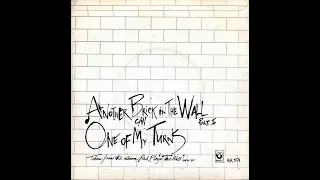
Pink Floyd ~ Another Brick In The Wall 1979 Purrfection Version 09:23
Pink Floyd ~ Another Brick In The Wall 1979 Purrfection Version
Do you believe that it has been 35 years since this was released? Pink Floyd began in 1965 and set about recording their ethereal and psychedelic music, becoming household names after "Dark Side Of The Moon" in 1973. By this time, Syd Barrett had left the band due to his deteriorating mental health. The band continued on releasing several concept albums, each to a ready and willing public. With the pressures of the constant touring prior to the recording of "The Wall", Roger Waters finally broke. During a Montreal concert promoting "Animals" in 1977, he admits to having spat on an audience member. It was out of this dark period that "The Wall" was conceived. "The Wall" explored the universal themes of abandonment and personal isolation, and the centrepiece song "Another Brick In The Wall (Part II) became an unexpected anthem. The song was released as an experiment by Columbia who did nothing to promote the single to see how it would fare. Based on word of mouth and radio requests, it wildly beat the industry expectations by reaching and staying at #1 for four weeks. According to Waters, the album was "an indictment of the mass crowd psychology that destroys the creativity of the artists." While putting together the song, the verses the children sang were to be used as backgrounds behind Roger and David's vocals on the song. Roger told the engineer to "do what he wants" so he filled up the 24 tracks with the recorded children doubled and doubled again. Roger realized he had something and the result made the finished kid track to be used as the vocal. Toni Tennille is credited with background vocals as is Bruce Johnston (ex Beach Boys). Did you know that Toni used to vocalize with the Beach Boys? The story goes that Daryl Dragon (The Captain) was playing keyboards for the Beach Boys, and suggested Toni be used for the touring band. Did you ever notice that drawing of the wall gets higher is short, and by the fourth side, it is so high up almost the entire label is white brick wall.
0 0   134   12-05-2021   Discografia dos Anos 70   0
Redbone ~ Come And Get Your Love 1973 Disco Purrfection Version 07:33
Redbone ~ Come And Get Your Love 1973 Disco Purrfection Version
The 70's are very special to me, every song from that time seems burnt into my saturday night fevered little brain, every song with a beat made me wanna move my feet. The pop charts and top 40 FM radio supplied me with tons of danceable and memorable music. This one is a true delight, a relentlessly upbeat, hook filled rock tune that put out the universal call to come and get it! Not too many people resisted, it still sounds super great today! Redbone first came to my attention with their "Witch Queen Of New Orleans" a 1972 swamp rock tune that peaked at #21. Inspired by friend Jimi Hendrix to put together a Native American rock band, brothers Lolly and Pat Vegas along with Tony Bellamy (born Anthony Avila) and Peter DePoe, secured a record contract with his help and their debut LP, "Redbone" was released in 1970 on Epic Records. Their first charting single, "Maggie", from their second LP, "Potlach" peaked at #80 for two weeks in December, 1970. The name Redbone was chosen since it meant a mixed race person in Cajun, which paid tribute to their Native American roots and the mixed races of the band members. The duo had already released an album, "Pat & Lolly Vegas at the Haunted House" in 1966, and also composed "Niki Hoeky" a #23 pop hit for PJ Proby in 1967. Their third LP, "Message From A Drum" contained "Witch Queen Of New Orleans" and paved the way for the runaway #5 pop success of "Come And Get Your Love" from their fourth LP, "Wovoka". It made me swell with pride at my own Native American ancestry, being born a full blooded Huron Indian and having them to look up to. At the time, the plight of the American Indians and the injustices they suffered throughout the development of the United States was making headlines. "Bury My Heart At Wounded Knee", written by Dee Brown was about the massacre of the Lakota Indians in 1890 had became a flashpoint in 1970 and opened the eyes of many Americans to the price that was paid for the birth of the United States. To address this issue, Redbone released a song entitled "We Were All Wounded At Wounded Knee" as a non album single to commemorate the needless death of nearly 500 men, women and children of the Lakota. US radio totally ignored the politically charged song because they felt that the subject matter was distasteful and controversial, with several radio chains banning the song. Sadly, Redbone lost their radio magic and never charted again. "Come And Get Your Love" was given an updated arrangement by Real McCoy in 1995 and that version peaked at #19. They experienced another resurgence in 2014 when their signature hit was included in "The Guardians Of The Galaxy" movie and soundtrack. The song benefited from the expert hand of Gene Page who arranged the strings here, and on most of Barry White's productions. Genius indeed! Bellamy passed away on Christmas Day, 2009 succumbing to liver failure and Lolly Vegas died the following year due to lung cancer. Pat continues to perform with Redbone to this day.
0 0   148   12-05-2021   Discografia dos Anos 70   0
Steely Dan ~  Do It Again 1972 Disco Purrfection Version 09:31
Steely Dan ~ Do It Again 1972 Disco Purrfection Version
The recent passing of Walter Becker saddened me and provoked me to pull out my Steely Dan tunes and listen to them all. Their hypnotizing blend of jazz with pop and R&B along with the enigmatic lyrics sung by Donald Fagen began in 1967 when Donald heard someone practicing electric guitar in a café. He went in and introduced himself to guitarist Walter Becker to see if he was interested in joining a band. They began writing music and performing together, hiring various musicians to assist. One such musician was soon to be comedian Chevy Chase who played the drums for them. After a move to New York, they snagged the composer and artist credits for the soundtrack of the 1971 film "You've Got to Walk It Like You Talk It or You'll Lose That Beat" a film about hippie life that had Richard Pryor in the cast. Hitting the road with semi operatic vocalist Jay Black of Jay & The Americans who had a few hits like "Cara Mia" in the 60's fame earned them his disdain who felt that the duo were too controlling. Fortunately, the duo had a friend in Gary Katz who hired them as staff songwriters for ABC Records. Soon they began to work on their band concept and chose Steely Dan, a reference to the William S Burroughs book, "Naked Lunch". Their fortunes improved with the release of their debut LP "Can't Buy A Thrill" and their songs "Do It Again", "Reelin' In The Years" and "Dirty Work". Their next LP "Countdown To Ecstasy" in 1973, was recorded while they were on the road and the duo now feels that the distraction of live performing reduced the quality of their recorded work. They bounded back with "Rikki Don't Lose That Number" of off 1974's "Pretzel Logic" which was fortified with the talents of Michael McDonald and Jeff Porcaro from their touring band. They then decided to ditch the touring and lost the rest of the band. From this point on, they wrote and recorded, hiring studio musicians to help bring their visions to life and remained the only constant official members. They released "Katy Lied" in 1975 and then "The Royal Scam" in 1976, but had only one top 40 hit with "Black Friday" from "Katy" Their masterpiece "Aja" dropped in September of 1977 and became the very first million selling LP to be designated platinum. The 1978 song "FM" was their next triumph until they released the platinum selling "Gaucho" in 1980. They then broke up for twenty years. Fagen began successful solo career, and Becker went on to produce China Crisis' "Flaunt The Imperfection" from 1985. That same year, Gary Katz was recording Rosie Vela, a model from the US who was also a singer/songwriter. He was able to persuade the dynamic duo to back Vela on her "Zazu" LP resulting in a Steely Dan reunion. They continued to work together on Fagen`s "Kamakiriad" and two Steely Dan albums, "Two Against Nature" and "Everything Must Go", along with a live recording LP. They were inducted into the Rock & Roll Hall Of Fame in 2001. "Do It Again" is the perfect example of Steely Dan with the shimmering keyboards and that insistent latin beat is the perfect antidote to the current spate of sound alike percussive cacophony that you hear on the radio today.
0 0   180   12-05-2021   Discografia dos Anos 70   0